Walk the lee side · sip more than you think
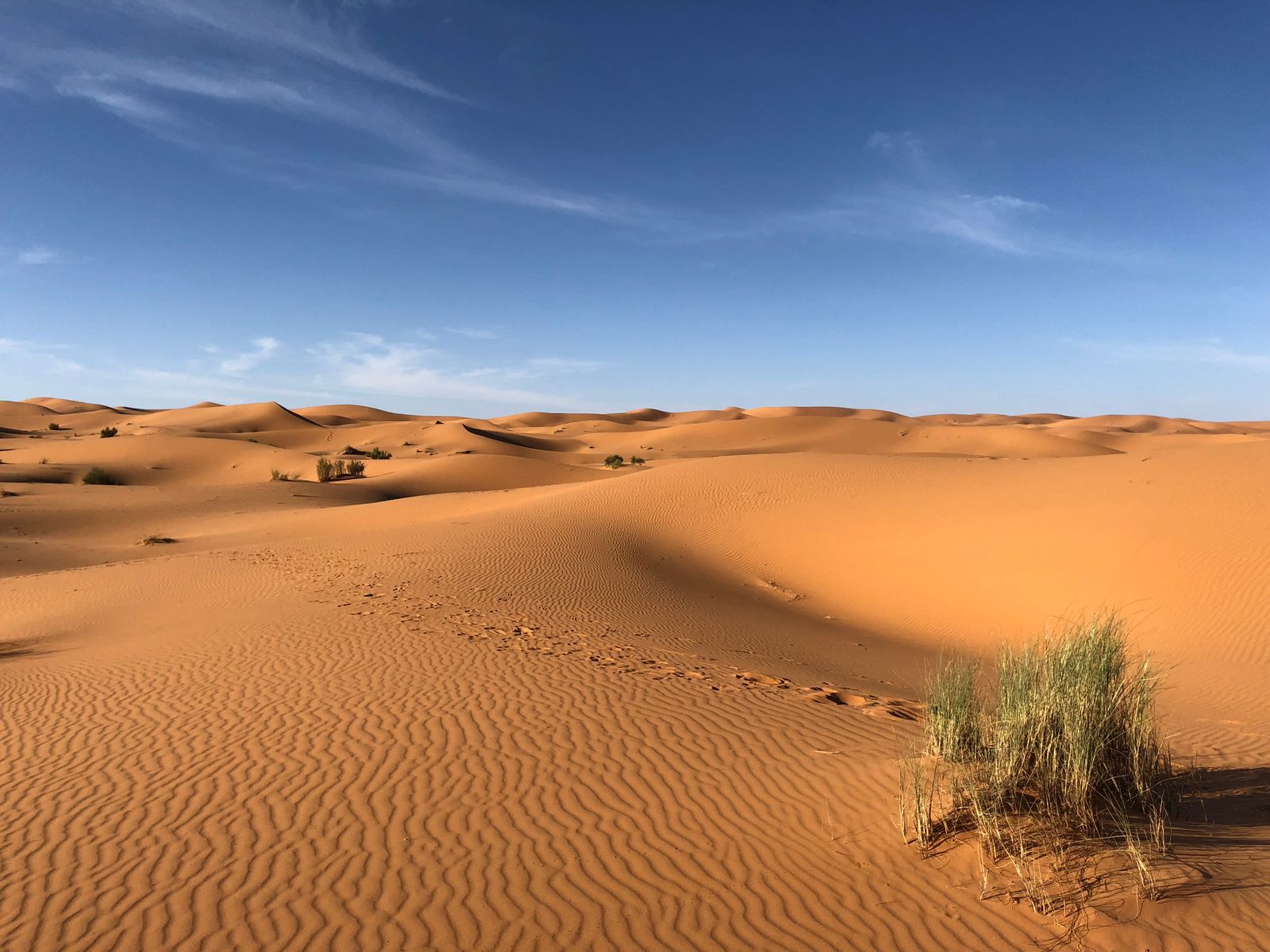
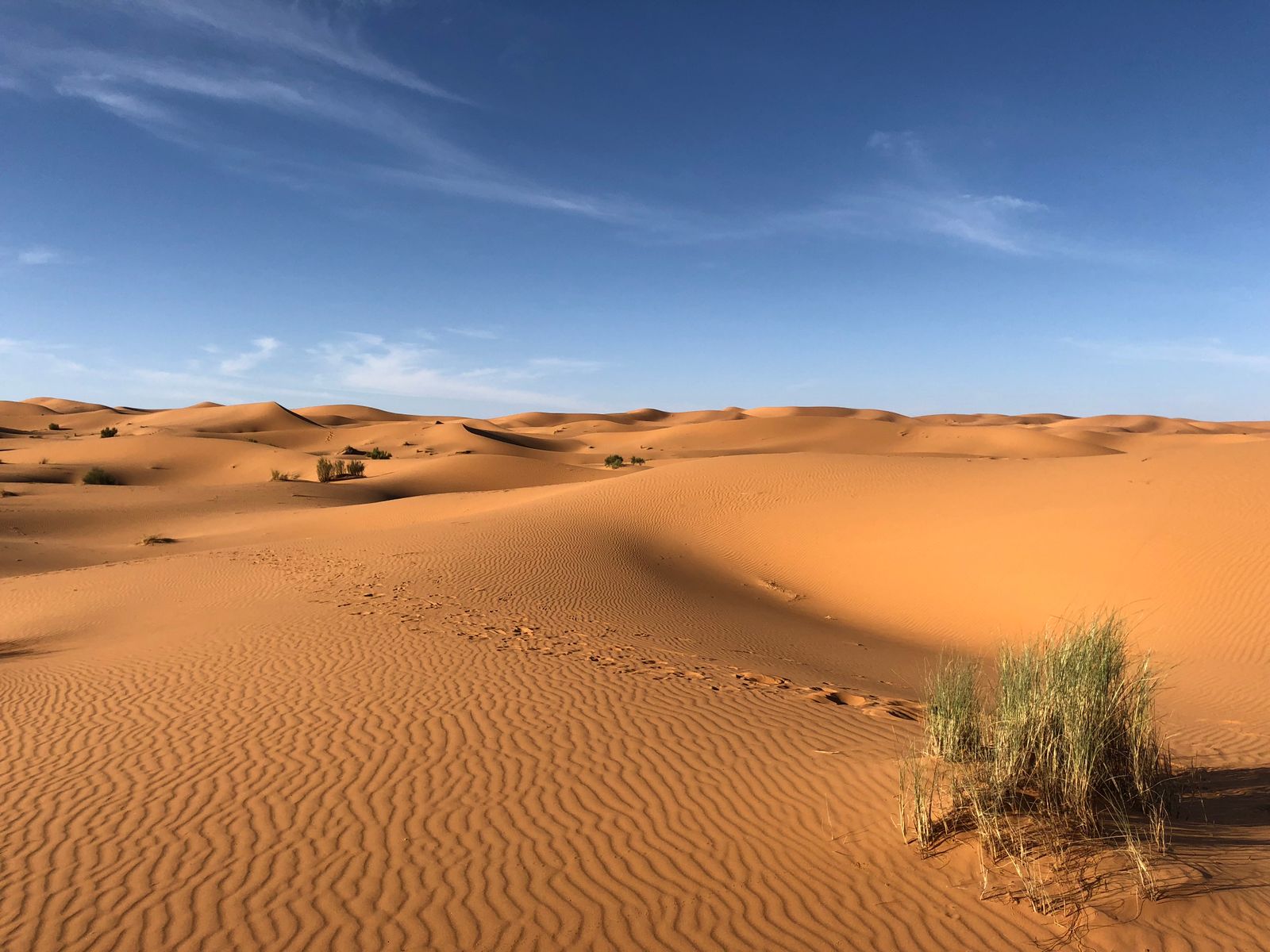
Enter before the ground turns white. The basin is not a postcard; it is a set of moving walls. If you chase the highest crest you will only photograph wind. Walk the lee. Let the ridge decide the line.
The first hour is for listening. The second is for not turning around too soon.
Carry more water than pride. Cover skin even when the air feels kind. The sand stores yesterday’s heat and returns it without warning. A cloth for the face is not a costume; it is furniture for breathing.
Sit in a scoop of shade that does not exist until you make it — a bag, a body, a fold of cloth. Eat something dry and salty. Watch how a single plant holds a whole weather system around its stem.
How to leave it unnamed
Do not ask the driver for the famous title. Ask for the hour the wind lies down. Ask where the sand changes colour from bone to apricot. Those are coordinates enough.
When you return to the city, do not unpack the basin as a story with a climax. Keep one sentence: the ground moved, and I moved slower than it.
What to carry
Water beyond elegance. Cloth for face and sitting. Something salty. A notebook that can take grit. Quiet shoes. The rest of the kit lives on its own page; the basin will punish what you brought to impress.
A closing hour
Apricot light is when most people raise a camera. Stay through it. The colour that remains after the fashion is the true colour of the basin: dull gold, a little tired, still moving. That is the unnamed place.