Note 02 · Field guide
Slow
water
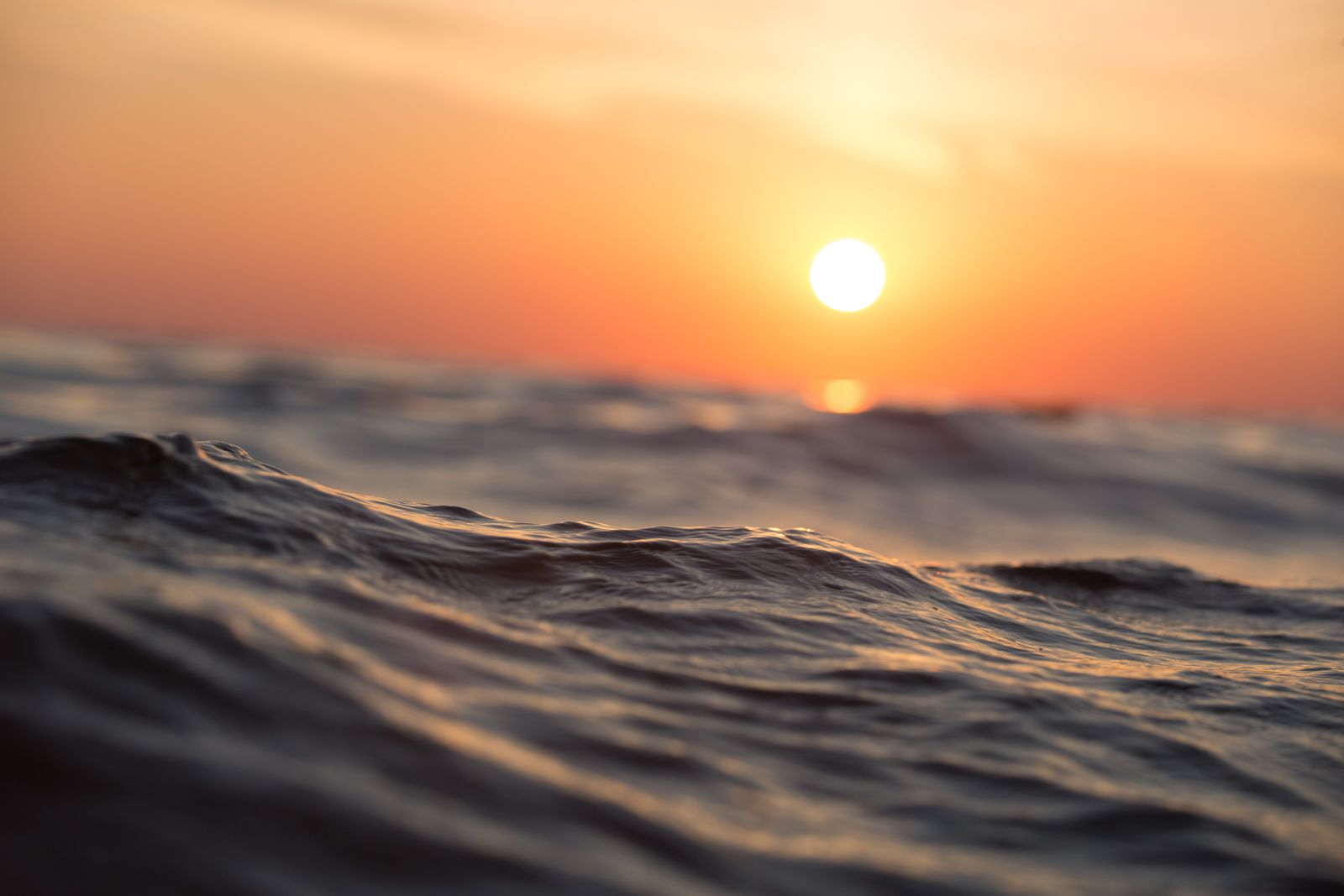
Treat the river as a clock with no numbers. The current is the only schedule you need.
Find a bank that is used by people who live there, not a platform built for applause. Buy tea from whoever is already pouring. Sit until a boat crosses your eye-line twice.
Do not collect the water as a backdrop. Notice the work: nets, loading, a child washing a plate. The unnamed river is a street that happens to be wet.
If someone offers you a tour with a printed title, decline politely. Ask instead which hour the current is kindest to a small boat, and whether the far bank still has shade after noon.
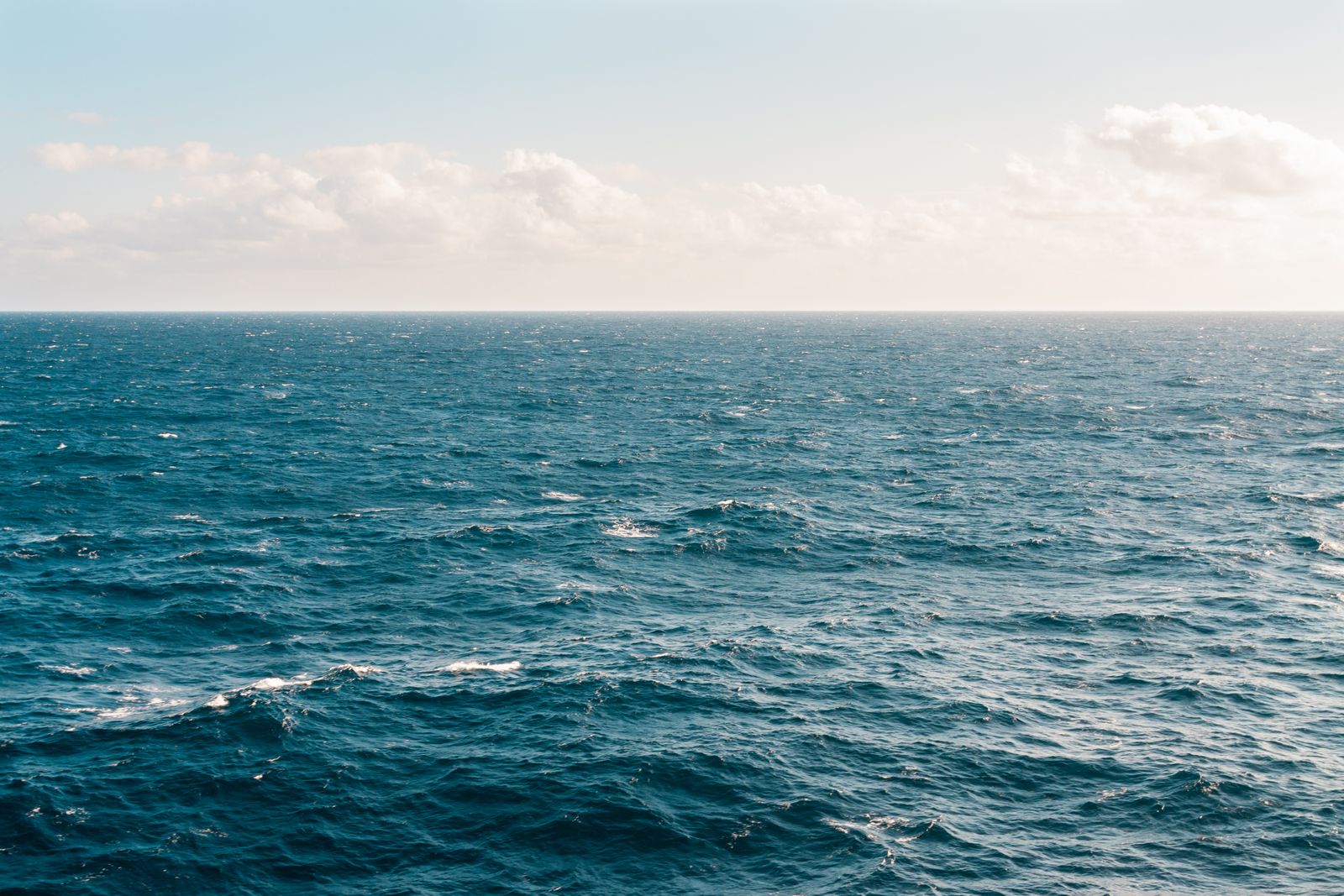
A one-hour exercise
Look at one bank. Do not turn.
Set a quiet timer. For sixty minutes you may sip, you may write, you may not hunt a better angle. When the hour ends, you will know whether you came to see water or to prove you saw it.
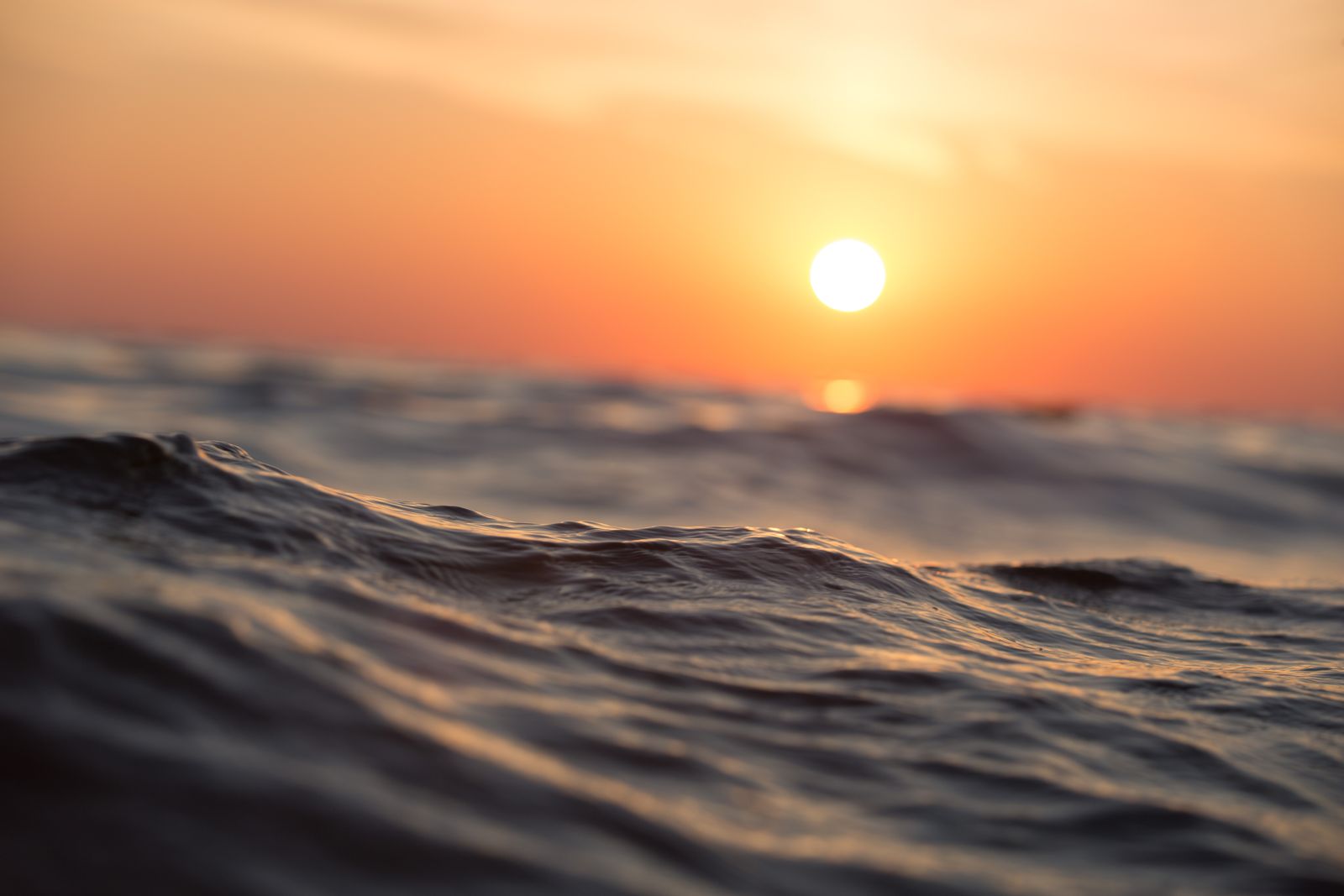
Late light turns the surface into metal. That is when travellers raise cameras. Wait ten minutes after that fashion. The metal breaks. What remains is the true colour of the day: a dull green-brown, honest, slightly tired, still moving.
Eat nearby, not as a viewpoint with a menu. The unnamed table is the one already loud with regulars. Then walk home while the lamps are still low.